

🍷 Wine Tourism: A Strategic Asset for European Vineyards?
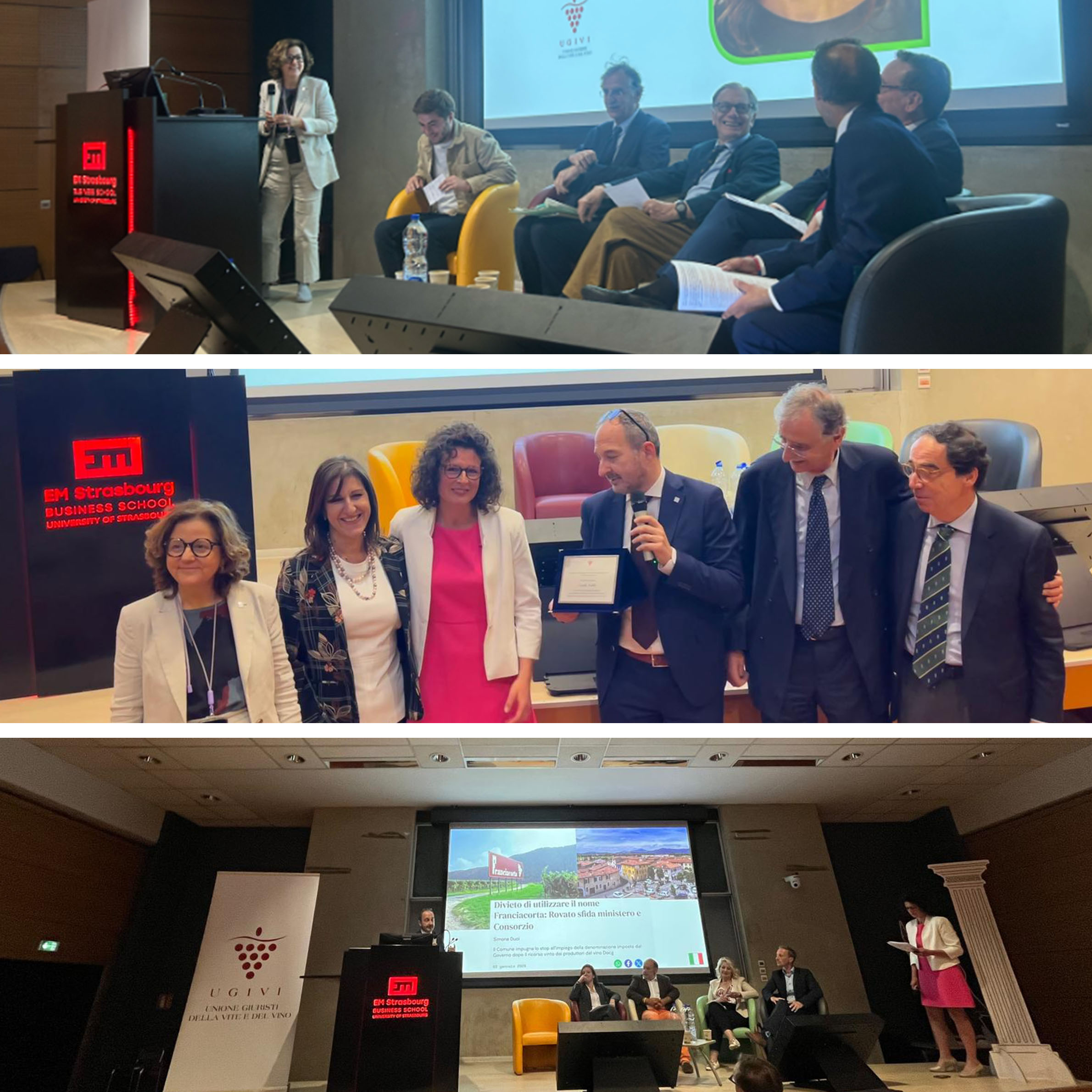
On May 22, 2026, an international conference organized by Coralie Haller, Head of the Wine and Tourism Chair, in partnership with UGIVI and AIDV, brought together experts from the wine, legal, tourism, and academic sectors to address a strategic issue: “Wine Tourism and the Governance of Protected Designations of Origin: Law and Regional Development.”
Several highlights marked the event:
- Opening keynote:
- Chloé Rezlan, a tourism law attorney and member of IFTTA, and Christine Lebel , representative of the French delegation to the OIV and a member of AIDV, analyzed the opportunities and challenges presented by the European framework established by Regulation (EU) 2024/1143 of April 11, 2024.
- Italian roundtable of wine law experts:
- Diego Saluzzo , President of UGIVI; Domenico Cavallo, Editor-in-Chief of Jus Vini; and lawyers Stefano Dindo and Paolo Veronesi discussed appropriate governance models alongside Oreste Calliano , a scholar from the University of Turin.
- Théo Grischko, General Delegate of the Association of Alsace Winegrowers and a doctoral student at the University of Strasbourg, highlighted the role of vineyard landscapes in enhancing a region’s appeal.
- Jean-Baptiste Fadulto , a doctoral student at the University of Toulon, emphasized the challenges of coordination between public stakeholders, tourism institutions, and wine professionals.
- Nathalie Kaltenbach , President of Alsace Destination Tourisme, President of Iter Vitis, and Mayor of Barr, presented the Alsace Wine Route as a tool for structuring tourism development.
- Jean-Georges Scherb, Founder of Terra Vinum Hôtel & Domaine Scherb, illustrated how the winegrower’s profession is evolving toward a comprehensive approach to hospitality and the customer experience, including accommodation, dining, and wellness.
- Aurora Visentin, a member of UGIVI and an active participant in the Donne del Vino network, highlighted the importance of professional networks for producers.
A shared conclusion emerged: wine tourism is no longer a secondary activity, but a cornerstone of regional development—creating value for protected designations of origin and bringing stakeholders together around a shared vision.